
For a long time, reality capture processes functioned in isolation. Each step seemed disconnected, characterized by different data capture methods, software, file formats and workflow boundaries. As a result, the term felt more like a buzzword than a cohesive process.
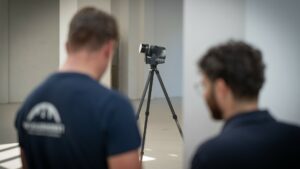
However, recent years have indicated a shift towards more integrated workflows across the architecture, engineering, and construction (AEC) and geospatial sectors. Businesses that embrace this technology are reaping significant benefits.
The 2025 NBS Digital Construction Report indicates that an increasing number of professionals believe the industry is beginning to catch up. This trend is also linked to a shift in mindset. Nearly three in five respondents express anxiety that their organization might fall behind if they do not adopt digital tools, a significant increase from just over a third in 2023.
The adoption of AI is also on the rise. While AI is not typically involved in data capture or processing, it is increasingly being utilized to support reporting and deliverables. This enables teams to transform processed data into actionable insights faster than ever before. In addition to AI, other digital tools, such as cloud collaboration, are being employed throughout project lifecycles, allowing teams to collaborate more effectively and create greater value.
An increasing number of companies are implementing these trends. FARO®, a business of AMETEK®, Inc., a prominent name in 3D measurement technology, has integrated data from its various 3D scanners with its cloud-based FARO Sphere XG® platform. This combination facilitates capture, cloud collaboration and deliverables with actionable insights within a single ecosystem. The platform enables teams to access, review and annotate jobsite data from anywhere at anytime, minimizing hand-offs and speeding up project delivery.
One example comes from Wulverhorst B.V., a construction firm in the Netherlands that has transformed its project management through the FARO Blink™ Imaging Laser Scanner and Sphere XG platform. Stefan Van Meurs, Chief Operating Officer, explains, “Fully integrating Sphere XG into our process has transformed our workflow and project management. It gives us a complete picture of every project, improving efficiency and collaboration across the board.” By fully integrating FARO solutions into its workflow, the company now generates floorplans directly in Sphere XG from processed scan data, cutting delays and increasing accuracy — improving workflow efficiency by 20% in 5 months, according to the company.
Similar transformations are underway across various industries, driven either by companies or by the customers they serve. The current narrative of reality capture isn’t centered around a single breakthrough or revolutionary product. Rather, it focuses on a long-term alignment of tools, software and human workflows. Each system update and advancement in AI or cloud collaboration opens new opportunities to connect the dots, accelerate delivery and enhance transparency and collaboration in the workplace. But you’ve got to be in it to win it.
October’s NBS report highlights that despite the growing digital anxiety, there is a rising confidence in the construction industry, with more than half of professionals believing the sector is no longer lagging. For companies that delay embracing digitally connected workflows, the implications are unknown. However, as more organisations adopt this way of working, they find that processes are faster, insights are seldom missed and coordination of global projects is smoother. The industry is shifting to a new rhythm, and those who are not in tune risk being left behind.
If you would like to learn more about the examples in this article, you can visit FARO.com to understand how they’re tackling the modern world’s shift to greater collaboration.
